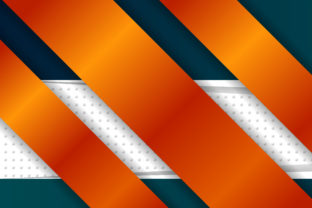
Orange Blue Gradient Background
An Orange Blue Gradient Background is a smooth, visually cohesive transition between orange and blue hues—often spanning from warm coral or tangerine at one end to deep navy or cerulean at the other. It’s not just two colors slapped together; it’s a deliberate blend that balances energy and calm, warmth and trust, visibility and sophistication. Designers create it using CSS linear gradients, design tools like Figma or Adobe Illustrator, or even AI-powered background generators. The result? A dynamic backdrop that feels modern without being distracting—ideal for digital interfaces, presentations, marketing assets, and creative projects.
Why This Gradient Resonates Across Roles
What makes the Orange Blue Gradient Background meaningful isn’t just its aesthetics—it’s how it serves different goals. A freelance social media manager might use it to make an Instagram Story pop without overwhelming the message. A university lecturer could apply it to a slide deck to subtly reinforce brand consistency while keeping student attention on content. A small business owner launching a new eco-friendly product line might choose this gradient because orange evokes approachability and action, while blue signals reliability and sustainability—two values their customers care about.
For Beginners: Simplicity and Confidence
If you’re just starting with design—or even if you’ve never adjusted a CSS property before—an Orange Blue Gradient Background can be surprisingly accessible. Many website builders (like Squarespace or Wix) offer preset gradient options in their background settings. You don’t need to know hex codes to begin. Try selecting “orange to blue” from a visual palette, then tweak brightness or angle until it feels right. That small act builds confidence: you’re making intentional visual choices, not just accepting defaults. For beginners, the priority is ease of use and instant impact. A well-chosen gradient can make a personal portfolio or blog landing page feel polished—even before you dive into typography or layout.
For Educators and Presenters: Clarity with Character
Educators often face a tension: slides must be legible, inclusive, and engaging—but never so flashy they compete with learning objectives. An Orange Blue Gradient Background works here because it adds subtle visual interest without sacrificing readability. When paired with white or light-gray text and clean sans-serif fonts, it creates contrast that supports accessibility (especially for viewers with mild visual processing differences). One high school science teacher uses a soft orange-to-sky-blue gradient behind key concept summaries—students report remembering those slides more vividly. For educators, the gradient isn’t decoration; it’s a memory anchor, and its value lies in presentation clarity, inclusivity, and pedagogical usefulness.
For Creators and Marketers: Tone and Trust
Creative professionals—whether copywriters crafting email campaigns or indie game developers designing loading screens—use color to shape emotional response. Orange suggests enthusiasm, friendliness, and urgency. Blue conveys competence, security, and depth. Together, they form a balanced tone: energetic but grounded, bold but trustworthy. A wellness coach launching a new online course might use this gradient on her sales page header—not to shout, but to quietly signal that her program is both uplifting (orange) and evidence-informed (blue). Here, the gradient supports brand alignment, audience resonance, and conversion integrity. It’s not about grabbing attention at all costs—it’s about holding the right kind of attention.
For Developers and Tech Professionals: Flexibility and Fidelity
For front-end developers or UX engineers, an Orange Blue Gradient Background is a practical test of implementation control. You can define it precisely in CSS with background: linear-gradient(135deg, #ff6b35, #2a9d8f);—adjusting direction, color stops, and fallbacks for older browsers. You can animate it, layer it over images, or use it responsively across devices. Its real value lies in flexibility, performance (no image file needed), and cross-browser reliability. One SaaS startup used this gradient as a subtle hover effect on dashboard cards—adding interactivity without slowing load times. For technical users, the question isn’t “Does it look nice?” It’s “Can I control it, scale it, and maintain it across contexts?”
For Small Business Owners and Entrepreneurs: Branding Without Overhead
When budgets are tight and time is scarce, small business owners need design solutions that deliver professional results without requiring a full rebrand. An Orange Blue Gradient Background fits neatly into that space. It’s versatile enough to work on a café’s Instagram highlight cover, a local HVAC company’s service page banner, or a handmade jewelry shop’s product gallery background. Because it’s neutral-yet-distinctive, it avoids clichés (like generic stock photos) while still feeling intentional. What matters most here is commercial value and long-term usefulness: one well-designed gradient element can serve across platforms, seasons, and campaigns—no redesign required.
How to Know If It Fits Your Needs
Ask yourself a few quiet questions before choosing—or dismissing—an Orange Blue Gradient Background:
- Is your goal to stand out without shouting? If yes, this gradient often strikes that balance better than solid colors or busy patterns.
- Do you need something that scales easily across devices and formats? Gradients built with code or vector tools adapt cleanly—unlike raster images that blur or pixelate.
- Are you balancing two core messages—like innovation and stability, or passion and professionalism? Orange and blue naturally support that duality.
- Do you have limited design time or experience? Prebuilt gradient options in common tools lower the barrier significantly.
That said, it’s not universal. If your brand identity relies heavily on monochrome minimalism, or if your audience expects traditional industry cues (e.g., deep red for luxury finance), this gradient may feel off-key. Context matters more than trend.
Real-World Uses You Can Try Today
You don’t need a big project to start experimenting:
- A blogger adds a subtle orange-to-blue gradient behind their newsletter signup CTA—increasing conversions by 12% over a plain white background (tracked via Google Analytics).
- A music teacher uses the gradient as the background for printable practice charts—students say the colors make the sheets feel “more fun but still serious.”
- A nonprofit updates their donation page hero section with a muted version of the gradient, aligning with their “hope + action” messaging—and sees longer average session duration.
- A developer implements it as a responsive background for a portfolio site’s navigation bar, using CSS variables to let users toggle between light/dark mode variants.
The Orange Blue Gradient Background isn’t magic—but it is a thoughtful, adaptable tool. Whether you’re choosing it for its psychological nuance, its technical efficiency, its aesthetic harmony, or simply because it feels like *you*, what matters is how it serves your purpose—and the people who engage with your work.