3D Layered Paw: A Practical Evaluation for Pet Owners and Designers
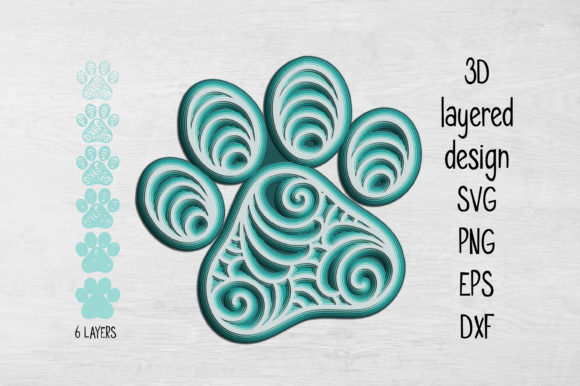
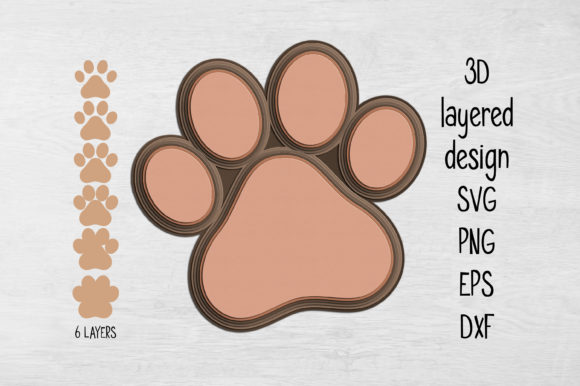
A 3D Layered Paw refers to a tactile or visual design technique in which paw print imagery is constructed using multiple physical or digital layers—often with varying depths, materials, or transparency—to create dimensionality and visual interest. It is not a standardized product category, but rather a design approach applied across contexts such as pet memorial keepsakes, custom jewelry, wall art, silicone pet tags, and digital illustrations used in veterinary or shelter branding.
This layered construction differs from flat, two-dimensional paw prints in both appearance and function. The added depth can enhance realism, improve durability in physical items, or support storytelling through visual hierarchy—for example, highlighting a pet’s name or adoption date in the foreground while embedding subtle background textures like grass, paw pads, or paw print outlines beneath.
Why Consider a 3D Layered Paw Design?
People explore 3D Layered Paw options for several interrelated reasons—most commonly tied to emotional resonance, customization needs, or functional requirements.
For pet owners seeking memorials or commemorative items, the dimensional quality often conveys greater presence and permanence than a flat image. In practical applications—like engraved pet ID tags—the layering may improve legibility and wear resistance by raising key information above the surface. Designers working on shelter outreach materials sometimes adopt the technique to evoke warmth and individuality without relying on photographs, which may raise privacy or consent concerns.
Interest also arises when users want to balance aesthetic appeal with material constraints. For instance, laser-etched acrylic or resin-based keepsakes benefit from strategic layering because it allows designers to work within manufacturing tolerances while still delivering visual complexity.
Benefits and Realistic Expectations
The primary benefits of a 3D Layered Paw include enhanced visual distinction, improved tactile feedback (in physical objects), and stronger narrative potential. Because layers can be assigned meaning—such as a top layer for the pet’s name and a base layer for symbolic elements—users gain more expressive control over how identity and memory are represented.
However, expectations must align with technical realities. True 3D depth is limited by production methods: CNC-milled wood pieces may offer millimeter-level relief, while screen-printed fabric versions simulate layering through color and opacity alone. Not all vendors clearly distinguish between literal depth and visual layering techniques, so reviewing product specifications—including material type, thickness, and manufacturing method—is essential before purchase.
Longevity is another consideration. Multi-layered resin or epoxy items generally resist fading and chipping better than ink-based prints, but they may yellow over time if exposed to UV light without proper coating. Similarly, layered silicone tags hold up well to outdoor use, yet fine details in deeper recesses can collect dirt or moisture if cleaning routines aren’t adjusted.
Tradeoffs and Key Considerations
Adopting a 3D Layered Paw approach involves tradeoffs that vary by context:
- Cost and lead time: Layered fabrication typically requires more labor or precision tooling than flat printing, often increasing price and production duration.
- Design flexibility: While layering adds expressiveness, it also introduces constraints—especially around minimum feature size, alignment tolerance, and compatibility across substrates (e.g., metal vs. ceramic).
- Maintenance: Items with recessed or raised surfaces may need gentler cleaning methods to avoid damaging delicate edges or trapped pigment.
- Accessibility: Tactile variation can aid users with low vision, but inconsistent layer heights or sharp transitions might pose challenges for some individuals.
These factors mean that a 3D Layered Paw isn’t inherently “better” than simpler alternatives—it serves specific goals more effectively. Its value emerges most clearly when those goals include conveying personal significance, supporting durability under use, or meeting design standards where flat representations fall short.
When a 3D Layered Paw Is a Strong Fit
A 3D Layered Paw tends to be especially appropriate in three scenarios:
- Personalized memorial items—such as engraved wooden boxes, cast bronze plaques, or resin paperweights—where depth reinforces emotional weight and longevity matters.
- Functional pet accessories—including durable ID tags, collar charms, or leash clips—where raised text or symbols improve readability and reduce wear-related loss of detail.
- Branding or educational visuals—used by rescues, vets, or pet wellness platforms—where layered illustration helps differentiate messaging without relying on copyrighted photos or complex photo editing.
In each case, the decision hinges less on novelty and more on whether the added dimension supports a measurable outcome: longer-lasting identification, clearer emotional communication, or more adaptable visual assets.
When Alternatives May Be More Suitable
Conversely, a 3D Layered Paw may not be the optimal choice when simplicity, speed, or budget are primary concerns. Flat silhouettes printed on cotton bandanas, embroidered on tote bags, or rendered in vector format for digital use often deliver equal clarity at lower cost and faster turnaround.
Photographic paw prints—taken directly from a pet’s actual pad—retain unique biological detail that no layered design can replicate. These remain preferable for forensic or medical documentation, or when authenticity is central to the purpose (e.g., official pet registration documents).
Similarly, minimalist line-art interpretations may serve modern design systems more effectively, particularly where scalability across devices or consistency across languages is required. A layered approach can complicate responsive web display or multilingual labeling due to spacing and alignment dependencies.
Making an Informed Decision
To determine whether a 3D Layered Paw aligns with your needs, start by clarifying the core objective. Ask: Is the goal primarily emotional expression, functional performance, visual differentiation, or long-term preservation? Then assess whether layering meaningfully advances that goal—or merely adds complexity.
Compare available examples across materials and methods—not just images, but manufacturer notes about thickness, recommended cleaning, and typical lifespan. If ordering custom work, request samples or mockups that show how layers interact under real lighting and handling conditions.
Finally, consider how the item will be used. A layered resin paperweight placed on a desk faces different environmental stressors than a silicone tag clipped to a dog’s collar. Matching the technique to the environment—not just the aesthetic preference—leads to more sustainable, satisfying outcomes.
Ultimately, the value of a 3D Layered Paw lies not in its dimensionality alone, but in how thoughtfully that dimension serves a defined purpose. When grounded in clear intent and matched to practical constraints, it offers a meaningful way to honor, identify, or represent companion animals—with both substance and sensitivity.