What Is a 3D Layered Square Frame? A Clear, Practical Guide
Understanding the Basics: What Exactly Is It?
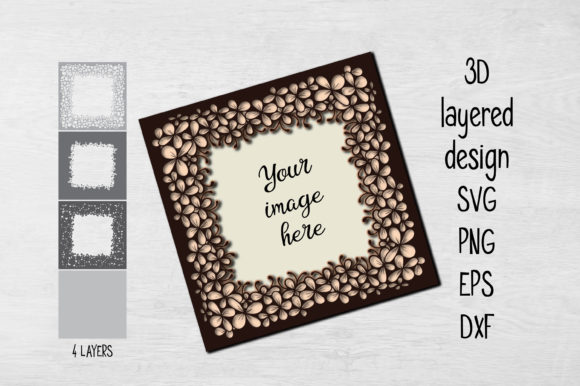
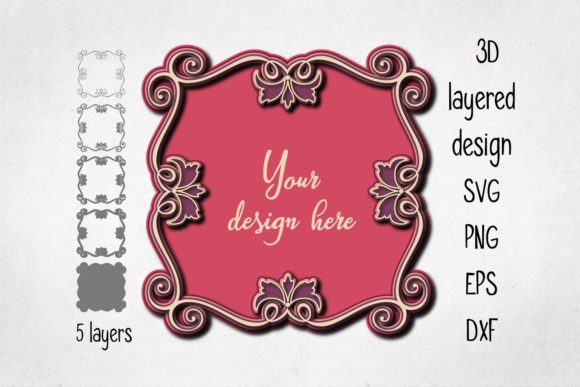
A 3D layered square frame is a design or physical structure composed of multiple square-shaped layers stacked or arranged in three-dimensional space—creating depth, dimension, and visual interest beyond a flat surface. Unlike a simple two-dimensional square outline, this frame incorporates height, width, and depth through intentional layering—whether digitally rendered, laser-cut from acrylic or wood, 3D-printed, or assembled by hand.
Each layer may vary in size, color, material, or orientation. For example, one layer might be a full 10×10 cm square, while the next is slightly inset (e.g., 9.5×9.5 cm), and the third floats even further inward—or outward—producing a subtle parallax effect or tactile sense of progression. This layered approach transforms an ordinary frame into a dynamic visual object that changes with viewing angle and lighting.
Why Does It Matter? Purpose and Real-World Significance
The value of a 3D layered square frame lies not just in aesthetics—it serves functional, psychological, and strategic roles across disciplines:
- Visual hierarchy and focus: Layers naturally guide the eye inward, helping designers emphasize central content—like a photo, logo, or quote—while adding context without distraction.
- Tactile and spatial engagement: In physical products (e.g., wall art, signage, or retail displays), depth invites closer inspection and interaction—boosting memorability and emotional resonance.
- Digital interface enhancement: UI/UX designers use subtle 3D framing in apps and websites to denote active states, card-based layouts, or interactive zones—improving usability and perceived sophistication.
- Educational scaffolding: In teaching geometry, spatial reasoning, or digital fabrication, layered frames act as tangible models for understanding coordinate systems, z-axis concepts, and additive manufacturing principles.
Where You’ll Encounter It: Everyday Applications
You’ve likely seen—and perhaps even used—a 3D layered square frame without realizing its name. Here’s where it shows up in modern life:
Home & Interior Design
Wall-mounted floating frames made from stacked MDF or walnut veneer add architectural nuance to minimalist living rooms. A popular example: a 3-layer black metal frame holding a family portrait—each layer recessed by 3 mm—casting soft, evolving shadows throughout the day.
Creative & Marketing Work
Brands use layered square frames in social media banners and product packaging to convey premium quality and intentionality. Consider a skincare brand launching a new serum: their Instagram highlight cover features a clean white square frame with two translucent frosted layers behind the logo—suggesting purity, science, and layered benefits.
Education & STEM Learning
In middle school makerspaces, students design 3D layered frames using Tinkercad or Fusion 360 before printing them on classroom printers. These projects reinforce measurement accuracy, tolerance awareness, and real-world engineering constraints—all while building something they can proudly display.
Digital Art & Web Design
Modern CSS frameworks now support transform: translateZ() and box-shadow stacking to simulate layered depth. A portfolio website might feature project thumbnails inside faux-3D square frames that lift subtly on hover—enhancing interactivity without heavy JavaScript.
Common Misconceptions—Clarified
Despite growing popularity, several assumptions about 3D layered square frames persist. Let’s clear them up:
- “It’s just decoration—no real function.”
False. While beautiful, its purpose extends to accessibility (e.g., layered contrast aids low-vision users), wayfinding (in museums or offices), and cognitive load reduction (by visually grouping related elements). - “Only high-end designers or big brands use it.”
Not true. Free tools like Canva now offer “layered frame” templates. Teachers create printable layered bulletin board borders; hobbyists cut affordable layers with Cricut machines. - “3D means it must be physically built or rendered in complex software.”
Unnecessary. Even a carefully aligned set of printed squares on cardstock—glued at staggered depths—achieves authentic 3D framing. Simplicity and intention matter more than technical complexity.
How It Fits Into Broader Trends
The rise of the 3D layered square frame mirrors larger cultural and technological shifts:
- The return of tactility in a digital world: After years of flat design dominance, users crave texture, shadow, and substance—making layered frames a quiet rebellion against screen fatigue.
- Sustainability-driven minimalism: Rather than adding ornate embellishments, designers use layering to achieve richness with fewer materials—aligning with circular economy values.
- Democratization of 3D tools: With browser-based CAD, AR preview apps, and plug-and-play CNC kits, creating layered frames no longer requires industrial training—just curiosity and basic spatial awareness.
Getting Started: Simple Ways to Explore or Use One
Whether you’re a student, entrepreneur, teacher, or DIY enthusiast, here’s how to begin—without overwhelm:
For Beginners
- Print two identical square outlines on thick paper. Cut one slightly smaller. Mount the smaller square atop the larger using foam adhesive dots—instant 3D frame.
- In PowerPoint or Google Slides, insert a square shape, duplicate it, reduce size by 5%, nudge it 2 px down/right, and apply a soft drop shadow. Repeat once more for a 3-layer effect.
For Educators
Assign a “Layered Identity Project”: Students design a personal 3D square frame representing three facets of themselves (e.g., heritage, passion, future goal)—each layer symbolized by color, texture, or icon. Builds self-expression while reinforcing sequencing and symbolism.
For Small Business Owners
Use a 3D layered frame as your Instagram profile grid anchor. Center your logo in the deepest layer, surround it with customer testimonials in mid-layer, and add a seasonal promotion in the frontmost layer—rotating monthly. Creates cohesion and subtle storytelling.
Looking Ahead: Beyond the Square
While the square remains foundational—due to its symmetry, stability, and compatibility with grids—the concept extends naturally to other shapes and systems. Hexagonal layered frames appear in sustainable architecture models; circular variants enhance medical device interfaces for intuitive touch targeting. Yet the square endures because it balances familiarity with flexibility—offering structure without rigidity.
More importantly, the 3D layered square frame reflects a deeper human need: to organize complexity with clarity. Each layer represents a level of meaning, priority, or process—from raw data to insight, from sketch to finished product, from idea to impact. Understanding it isn’t just about recognizing a design trend—it’s about cultivating spatial literacy, intentionality, and thoughtful communication in everything we make and share.
Final Thought: Depth Starts With Awareness
You don’t need advanced tools or formal training to appreciate—or apply—the power of layered dimension. Start small: notice the layers in a well-designed book cover, a thoughtfully lit gallery wall, or even the nested menus on your favorite app. That awareness is the first layer—and the most essential one—of meaningful design.