3D Layered Spring Buds: Where Botanical Detail Meets Dimensional Design
Walk into a modern florist’s studio, scroll through an interior design portfolio, or browse high-end stationery collections—and you’ll likely spot them: delicate, lifelike blossoms that seem to unfurl right before your eyes. These aren’t pressed flowers or flat illustrations. They’re 3D layered spring buds: meticulously crafted botanical elements built from multiple translucent or textured layers, stacked with precision to mimic the natural swelling, curling, and depth of real spring growth.
More Than Decoration—A Structural Innovation
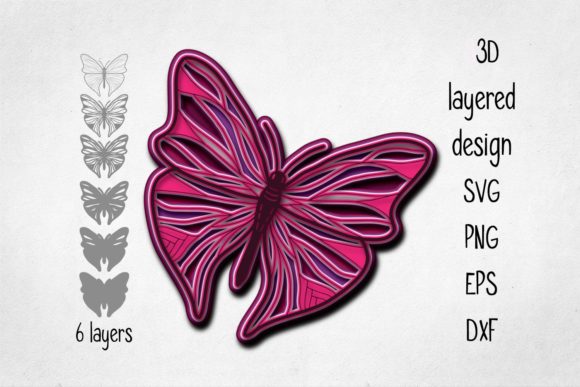
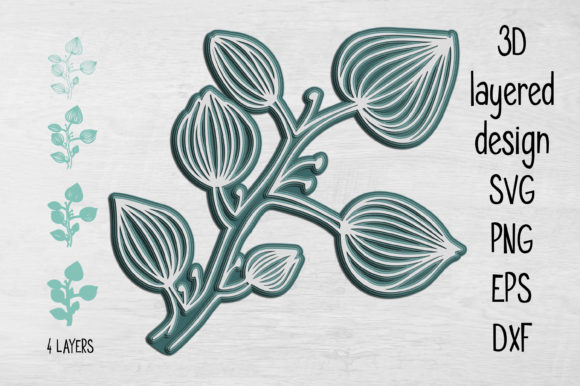
At their core, 3D layered spring buds are a marriage of craft and intention. Unlike single-sheet die-cut florals, each bud begins as a concept sketch—often inspired by forsythia, cherry blossoms, or early crocus—then translated into vector layers representing stamen, sepals, petal curves, and subtle veining. Laser-cut or precision-die-cut materials—think matte cardstock, soft-touch paper, pearlescent film, or even thin felt—form individual strata. When assembled by hand or with micro-adhesive alignment tools, those layers generate genuine parallax: tilt the piece, and the bud appears to breathe.
This isn’t just visual flair. The dimensional structure adds tactile authenticity. A greeting card featuring 3D layered spring buds invites fingertips to trace the gentle rise of a petal edge. A wedding invitation suite gains gravitas—not from ornate calligraphy alone, but from the quiet physical presence of a bud nestled beside the couple’s names. That interplay of sight *and* touch transforms passive viewing into momentary engagement.
Why Depth Matters in Today’s Visual Landscape
We’re saturated with flat content. Social feeds, email banners, digital ads—all optimized for speed and scrollability—often flatten nuance. In that context, 3D layered spring buds stand out not as novelty, but as intentional contrast. They signal care, slowness, and attention to organic rhythm—qualities increasingly valued in branding, wellness spaces, and sustainable product design.
Consider a boutique skincare line launching a “Renewal Collection.” Instead of relying solely on stock photography of dewy petals, they embed actual 3D layered spring buds into limited-edition packaging boxes. Customers unbox not just a serum—but a sensory echo of seasonal rebirth. That detail reinforces brand values without a single word of copy.
Or take architectural visualization firms: when presenting biophilic design concepts to clients, integrating 3D layered spring buds into physical mood boards adds warmth and scale reference. A tiny layered magnolia bud beside a rendered balcony sketch instantly communicates “living detail,” bridging abstraction and lived experience.
Material Choices Shape Meaning—and Longevity
The power of 3D layered spring buds isn’t only in form—it lives in material intelligence. Paper-based versions offer affordability and eco-credentials (especially when using FSC-certified or seed-embedded stocks), but may soften in humid environments. Vinyl or acrylic variants hold crisp geometry longer, making them ideal for retail signage or permanent installations—but trade off some of that handmade warmth.
Designers choosing between options weigh more than durability. A children’s book illustrator might select ultra-thin, flexible cotton paper for layered daffodil buds inside a lift-the-flap garden spread—prioritizing safety and softness. Meanwhile, a luxury watch brand commissioning a limited-edition gift box might opt for laser-etched brass layers, polished to catch light like morning mist on new leaves.
Key takeaway? There’s no universal “best” material—only the *right* one for the context, audience, and lifespan of the piece.
How They Fit Into Real Creative Workflows
Integrating 3D layered spring buds doesn’t require a full studio overhaul. Many designers begin by sourcing pre-cut kits—curated sets with color-matched layers, alignment guides, and adhesive dots. These let creators test proportions, layer sequencing, and shadow play before committing to custom tooling.
For teams building at scale, digital design prep is essential. Vector files must account for kerf (the width removed by laser cutting), nesting efficiency, and layer registration marks. A common misstep? Designing too many fragile points—like ultra-thin stamen tips—that snap during assembly. Experienced studios build in micro-reinforcements: subtle bridges, graduated thickness, or strategic scoring lines that guide natural bending instead of breaking.
One graphic designer shared how she streamlined client approvals by sending layered PDFs—each petal on its own transparent layer—so stakeholders could toggle visibility and assess depth relationships before physical prototyping. That small shift cut revision rounds by nearly 40%.
From Concept to Shelf: What Buyers Actually Consider
If you’re evaluating 3D layered spring buds for a project, here’s what matters beyond aesthetics:
- Layer count vs. realism: Five layers often strike the sweet spot—enough to suggest volume without overwhelming assembly time. More than seven can introduce wobble or visible glue lines unless engineered precisely.
- Shadow tolerance: Will the piece hang on a wall? Sit on a desk? Buds designed for vertical display need balanced weight distribution; horizontal applications benefit from flatter base layers for stability.
- Color fidelity across layers: Inkjet-printed top layers may shift subtly against digitally printed mid-layers. Request physical swatches—not just screen proofs—especially for pastel palettes where tonal drift is most noticeable.
- Assembly scalability: Hand-folding 50 buds is meditative. Doing 500 demands jigs, drying racks, or semi-automated presses. Ask suppliers about their throughput capacity—and whether they offer white-glove assembly services.
And don’t overlook storage. Unassembled layers should be kept flat and away from direct sunlight. Once built, 3D layered spring buds thrive in low-humidity, UV-filtered environments—just like the real blooms they honor.
Where You’ll See Them Flourishing Next
Education is an emerging frontier. Science teachers use oversized 3D layered spring buds to demonstrate plant anatomy—peeling back layers like textbook diagrams made tangible. Museum exhibit designers embed them into interactive timelines of ecological change, where budding density visually maps regional warming data.
In hospitality, boutique hotels are replacing generic floral arrangements in lobbies with site-specific 3D layered spring buds—crafted from local native species, mounted on reclaimed wood panels. Guests don’t just see spring; they recognize it. That specificity builds resonance far deeper than generic decor ever could.
Even tech interfaces are borrowing the language. Some AR filters now animate virtual 3D layered spring buds that bloom in response to voice tone or ambient light—blending botanical metaphor with responsive interaction design.
A Note on Intentionality
What makes 3D layered spring buds endure isn’t their technical execution alone—it’s the clarity of purpose behind them. They work best when they serve a narrative: renewal after transition, quiet growth amid noise, or reverence for natural cycles in human-made spaces.
That’s why the most memorable uses feel inevitable—not tacked-on. A condolence card with a single, tightly furled 3D layered spring bud beside a handwritten note speaks volumes about patience and future possibility. A startup’s investor deck opens with layered hyacinth buds blooming across slide transitions—subtly framing their growth story in living terms.
When chosen thoughtfully, 3D layered spring buds do more than decorate. They root abstract ideas in something viewers can almost smell—the faint green sweetness of new life, held gently in hand.