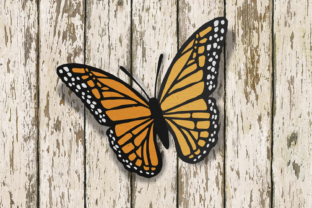
Monarch Butterfly: Nature’s Remarkable Migrator
The Monarch Butterfly isn’t just a pretty orange-and-black insect—it’s one of the most extraordinary natural phenomena you can observe without leaving your backyard. With wings that shimmer like stained glass in sunlight, this delicate creature undertakes a multigenerational migration spanning thousands of miles across North America. Unlike most butterflies that live just a few weeks, some Monarch Butterflies travel from southern Canada and the U.S. Midwest all the way to mountain forests in central Mexico—up to 3,000 miles—on a single flight.
What Makes the Monarch Butterfly So Special?
Its life cycle alone sets it apart. Female Monarchs lay eggs exclusively on milkweed plants—the only food source their caterpillars can digest. That dependency makes them powerful indicators of ecosystem health. When milkweed declines, Monarch populations drop. Their bright coloration warns predators: “I’m toxic.” They absorb defensive chemicals from milkweed as larvae, making them unpalatable—a brilliant evolutionary strategy known as aposematism.
But perhaps what resonates most with people is their resilience. A single Monarch weighs less than a paperclip, yet navigates using the sun, Earth’s magnetic field, and inherited instincts. Scientists still study how later generations—born months after their ancestors departed—somehow find the same overwintering groves their great-great-grandparents used.
Why People Connect With the Monarch Butterfly
For educators, the Monarch Butterfly is a living textbook: it illustrates metamorphosis, pollination, migration, habitat loss, and conservation—all in one accessible story. Teachers use monarch rearing kits to spark curiosity in students from kindergarten through high school. For gardeners and homeowners, planting native milkweed and nectar-rich flowers like coneflowers or goldenrod creates a small but meaningful refuge.
Creatives find inspiration everywhere—its symmetrical wings appear in textile patterns, ceramic glazes, logo designs, and even architectural motifs. Photographers wait patiently for that perfect moment when light catches translucent wing veins. Writers use its journey as a metaphor for transformation, endurance, and intergenerational connection.
Entrepreneurs and small business owners tap into its cultural resonance too. Eco-conscious brands feature Monarch imagery on sustainable packaging, nature-based apparel, or educational toys. Local nurseries highlight native plant bundles labeled “Monarch Waystation Certified.” Some community gardens host annual “Monarch Watch” events—blending citizen science with neighborhood engagement.
Real-Life Uses You Might Not Expect
- School science projects: Students track tagged Monarchs through programs like Journey North, logging sightings and learning data literacy.
- Urban planning: Cities incorporate monarch-friendly corridors into green infrastructure plans—replacing turf grass with pollinator meadows along bike paths and parks.
- Mindfulness practice: Watching a Monarch pause on a zinnia or glide past a window invites presence and quiet observation—no app required.
- Marketing storytelling: A boutique skincare line might reference the Monarch Butterfly’s renewal process to underscore natural ingredient sourcing and ethical growth.
Where You’ll Encounter Monarch Butterflies
You don’t need to travel to Michoacán to witness them. In spring and summer, they’re common across most of the continental U.S. and southern Canada—especially where milkweed grows wild or is intentionally planted. Fall brings the famous southward migration, visible along coastlines, river valleys, and ridge lines. Many birdwatchers and nature centers host “butterfly counts” during peak movement windows (late August through October).
Digital tools help deepen the experience: apps like iNaturalist let users upload photos and contribute to real-time mapping efforts. Organizations like Monarch Joint Venture and Xerces Society offer free regional planting guides, printable ID cards, and webinars on creating certified habitats. Even social media hosts vibrant communities—Instagram hashtags like #MonarchWatch or #MilkweedMatters connect gardeners sharing bloom updates and caterpillar sightings.
Important Things to Keep in Mind
Not all milkweed is equal. Tropical milkweed (Asclepias curassavica)—popular in nurseries—can disrupt migration timing and increase disease transmission if not cut back in fall. Native species like common milkweed (A. syriaca) or swamp milkweed (A. incarnata) are safer long-term choices for most regions.
Timing matters. Plant nectar sources that bloom before, during, and after peak Monarch activity—from early spring phlox to late-fall asters. Avoid pesticides entirely—even “organic” sprays like neem oil can harm caterpillars on contact.
If you raise Monarchs at home, remember: success rates in captivity are often lower than in nature. While well-intentioned, mass-rearing can unintentionally weaken wild genetics or spread OE (Ophryocystis elektroscirrha), a parasite that builds up in crowded conditions. Observing—not intervening—is often the kindest support.
Getting Started Is Simpler Than You Think
- Identify your ecoregion using the USDA Ecoregion Map or local extension office.
- Choose 2–3 native milkweed species suited to your soil and sun exposure.
- Add at least four different native nectar plants with staggered bloom times.
- Leave leaf litter and avoid mulching heavily—overwintering eggs and chrysalises often rest near the base of plants.
- Join a local chapter of the North American Butterfly Association or attend a native plant sale.
What begins as a single patch of milkweed can become part of something much larger: a thread in a continental network of care. Whether you're sketching wings in a journal, designing a pollinator roof garden, launching an eco-brand, or simply pausing to watch one drift past your porch swing—you’re participating in a legacy older than human cities.
The Monarch Butterfly doesn’t ask for grand gestures. It asks for space—to feed, to rest, to reproduce, to fly. And in honoring that, we often rediscover our own sense of place, purpose, and quiet wonder.